
What Is a Food Critic? (and How Does Their Methodology Work)
A food critic is a trained professional who systematically evaluates restaurants and dining experiences, then publishes detailed assessments to guide readers toward memorable meals and away from disappointing ones. Unlike casual Yelp reviewers or social media influencers posting pretty pictures, legitimate food critics operate with rigorous methodology, anonymity when possible, and editorial standards that demand fairness and expertise.
The distinction matters because the restaurant landscape in 2026 overflows with opinions. Everyone with a smartphone considers themselves a dining authority, yet professional critics bring culinary knowledge, comparative context, and accountability that casual reviewers simply cannot match. They understand technique, can trace flavor profiles to specific cooking methods, and visit establishments multiple times before rendering judgment. Their work shapes dining culture, influences where we spend our money, and holds restaurants accountable to their promises.
This article unpacks what separates credible food criticism from enthusiastic opinion-sharing. You’ll learn the systematic approach critics use to evaluate everything from ambiance to plating, discover the different types of critics operating today (from newspaper veterans to specialized digital voices), and understand the ethical framework that keeps their work trustworthy. Whether you’re considering a career in food writing, trying to decode the reviews you read, or simply curious about the people who influence Toronto’s dining scene and beyond, understanding how professional critics operate transforms the way you interpret restaurant recommendations and make your own dining choices.
What a Food Critic Really Is
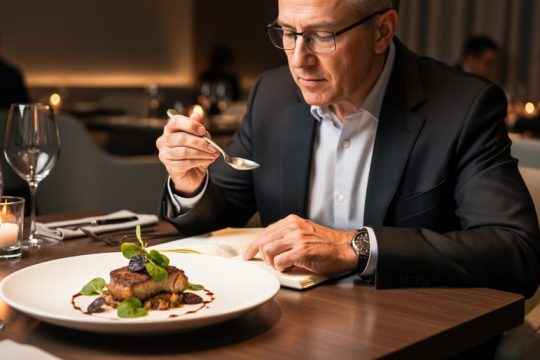
A food critic is a professional evaluator of dining experiences who assesses restaurants, dishes, and culinary trends with trained expertise and journalistic rigor. Unlike casual diners posting opinions online, food critics bring systematic methodology, culinary knowledge, and accountability to their assessments, making multiple visits, taking detailed notes, and publishing reviews that can significantly impact a restaurant’s reputation and success.
What separates professional critics from the thousands of voices sharing dining opinions today? Three core elements: training, standards, and accountability. Professional critics typically have formal culinary education or extensive restaurant industry experience that allows them to evaluate technique, ingredient quality, and execution with authority. They understand the difference between a properly tempered chocolate ganache and one that’s merely acceptable, or why a risotto’s texture reveals the chef’s skill level.
- Food Critic
- A professional writer who systematically evaluates and reviews restaurants, dishes, and dining experiences using established criteria and journalistic standards.
- Restaurant Reviewer
- A broader term encompassing anyone who publishes restaurant assessments, including both trained critics and casual reviewers without formal credentials.
- Culinary Journalist
- A writer who covers the food industry through news, features, and analysis, which may include reviews but extends to chef profiles, industry trends, and food culture stories.
- Gastronomy Expert
- A specialist with deep knowledge of food history, culture, and science who approaches dining evaluation from an academic or scholarly perspective.
Critics also operate under editorial oversight and ethical guidelines. They disclose conflicts of interest, maintain anonymity during restaurant visits, and typically pay for their meals to ensure unbiased evaluations. Their work appears in publications that stand behind the reviews’ accuracy and fairness, creating accountability that influences credibility.
This contrasts sharply with food bloggers or social media influencers, who may offer valuable perspectives but often lack formal training, accept complimentary meals, or prioritize visually appealing content over substantive culinary analysis. While influencers might showcase a restaurant’s ambiance through beautiful photography, critics dig deeper, examining whether the kitchen maintains consistency across visits, how service handles challenges, and whether the dining experience justifies its price point.
The distinction matters because professional critics serve as informed guides in an overwhelming dining landscape, helping readers distinguish exceptional experiences from mediocre ones through expertise and integrity.
How Food Critic Methodology Works

The Evaluation Framework

Professional food critics evaluate restaurants through a structured framework that examines seven core dimensions, each contributing to a complete picture of the dining experience.
Taste sits at the center of every assessment. Critics analyze flavor balance, seasoning precision, ingredient quality, and how successfully a dish achieves its intended profile. They consider whether flavors complement or compete, whether the dish delivers depth or falls flat, and how taste evolves from first bite to last.
Presentation extends beyond Instagram appeal. Critics evaluate plating technique, portion appropriateness, color harmony, and whether visual elements enhance or distract from the eating experience. A beautiful dish that grows cold while you photograph it fails this dimension.
Technique reveals kitchen competence. Critics assess cooking methods, knife skills, temperature control, and execution consistency. A perfectly seared steak demonstrates technique; an overcooked fish does not, regardless of how it’s garnished.
Ambiance encompasses lighting, acoustics, seating comfort, cleanliness, and overall atmosphere. Critics note whether the environment matches the restaurant’s concept and price point, and whether it enhances or undermines the meal.
Service evaluation covers timing, attentiveness, knowledge, professionalism, and the staff’s ability to anticipate needs without hovering. Critics distinguish between genuinely warm hospitality and rehearsed scripts.
Value compares price to quality, portion size, and overall experience. A $200 tasting menu and a $15 lunch special face different value standards but equal scrutiny within their categories.
Consistency requires multiple visits. Critics return to verify that excellent dishes remain excellent, that service standards hold steady, and that one great night wasn’t an anomaly.
Critics document observations immediately after each course, noting temperatures, textures, precise descriptions, and initial impressions before memory fades or subsequent dishes influence judgment.
Maintaining Anonymity and Fairness
Professional food critics go to extraordinary lengths to preserve their anonymity, knowing that special treatment would undermine everything their reviews represent. They make reservations under pseudonyms, avoid mentioning their profession, and often pay in cash to keep their credit card names off restaurant records. Some critics rotate their dining companions to prevent staff from recognizing patterns, while others deliberately vary their visit times to see how kitchens perform during both rush periods and quieter moments.
The practice runs deeper than simply hiding your identity. Critics typically visit a restaurant at least two or three times before publishing a review, ordering different dishes across various service periods to assess consistency. A flawless Tuesday lunch means little if Saturday dinner falls apart under pressure. They note whether the same server delivers exceptional hospitality each visit or if quality varies depending on who’s working the floor.
This commitment to multiple anonymous visits, detailed in resources like this anonymous critics field guide separates professionals from casual reviewers who judge an establishment based on a single comp meal.
Critics also maintain strict boundaries around conflicts of interest. They refuse free meals, decline invitations to chef-hosted events that might create social obligations, and avoid reviewing restaurants where they have personal relationships with ownership or kitchen staff. When a connection exists that makes objectivity impossible, they recuse themselves entirely.
The anonymity isn’t about catching restaurants in the act of wrongdoing. It’s about experiencing what regular diners experience, ensuring reviews reflect the reality paying customers encounter rather than the performance reserved for recognized critics.
Types of Food Critics and Their Specializations
The food criticism landscape encompasses far more variety than most diners realize. While the traditional newspaper restaurant critic remains a familiar figure, the profession has branched into numerous specialized roles, each serving distinct audiences and applying unique expertise.
- Traditional print critics work for newspapers and magazines, providing comprehensive reviews with established editorial standards and accountability
- Digital critics publish primarily online through dedicated food publications, maintaining professional standards while reaching broader audiences
- Specialist critics focus on specific cuisines (Italian, Japanese, vegan), bringing deep cultural knowledge and technical expertise to their evaluations
- Broadcast critics deliver reviews through television and radio, combining visual storytelling with culinary assessment
- Dining segment specialists concentrate on particular restaurant categories like fine dining, street food, or casual eateries
These categories often overlap, with many critics wearing multiple hats throughout their careers.
Traditional newspaper critics typically cover a geographic region comprehensively, reviewing everything from neighbourhood bistros to destination restaurants. Their work appears on a regular schedule, and they’re accountable to editors who enforce house standards for fairness and accuracy. These critics often become household names in their cities, wielding considerable influence over dining trends and restaurant reputations.
Specialist critics dive deeper into narrower domains. A critic focusing exclusively on Japanese cuisine, for instance, brings language skills, cultural understanding, and technical knowledge that generalists can’t match. They can distinguish authentic technique from fusion interpretation, recognize regional variations, and evaluate dishes against traditional standards. Similarly, dietary specialists, critics concentrating on vegan, gluten-free, or allergen-friendly dining, serve communities whose needs mainstream critics often overlook.
Fine dining specialists develop expertise in haute cuisine techniques, wine pairings, and the elevated service standards that define luxury restaurants. Their palates are trained to detect subtle flavour nuances, and they understand the complexity behind tasting menus and molecular gastronomy. Conversely, street food and casual dining critics celebrate accessibility and value, evaluating vendors and modest establishments that rarely receive professional critical attention but form the backbone of most cities’ food cultures.
Broadcast critics face unique challenges, balancing visual appeal with substantive critique while working within tight time constraints. Their reviews must engage viewers or listeners who can’t taste the food themselves, requiring vivid description and compelling storytelling alongside professional assessment.
The best critics, regardless of specialization, share common traits: systematic methodology, culinary knowledge, and unwavering commitment to serving their readers rather than the industry they cover.
Where Food Critics Apply Their Expertise

Impact on Diners and the Industry
Food critics function as a bridge between diners and the culinary industry, creating value on both sides of the table. For consumers, a well-researched review cuts through the noise of crowded restaurant scenes and social media hype. When you’re deciding where to spend your evening and dining budget, a critic’s systematic assessment, grounded in repeated visits and professional standards, offers reliable guidance that casual online ratings often can’t match. Critics highlight which new openings deliver on their promises and which established favorites have slipped, saving diners from disappointing experiences while directing them toward memorable meals.
On the industry side, professional reviews carry weight that shapes restaurant trajectories. A positive evaluation from a respected critic can fill reservation books for months and elevate a chef’s profile beyond their immediate neighborhood. Conversely, constructive criticism, when delivered with specificity and fairness, gives restaurateurs actionable feedback they can use to refine their menus, train staff, or recalibrate their approach. Many chefs in Toronto have told us they value honest critiques more than blanket praise because they identify blind spots the kitchen team might miss.
The ripple effects extend to culinary innovation itself. Critics who champion emerging techniques, underrepresented cuisines, or sustainable practices encourage other restaurants to experiment and raise their standards, gradually shifting what diners expect and what the industry delivers.
Cultural Documentation and Storytelling
Food critics serve as cultural historians, capturing the stories that transform a meal into a meaningful experience. When a critic documents a family-run Portuguese bakery in Toronto’s Ossington neighbourhood, they’re preserving not just recipes but immigration narratives, generational traditions, and the evolution of a community’s identity through food.
This storytelling function extends beyond nostalgia. Critics spotlight emerging cuisines before they hit mainstream consciousness, Peruvian-Japanese fusion, West African fine dining, Indigenous foodways reclaiming their rightful space, giving context that helps readers understand what makes these culinary movements significant. A review becomes a record of how Toronto’s food landscape shifted in 2026, what techniques defined a particular moment, which chefs challenged conventions.
The best critics uncover the why behind a dish: the chef who recreated their grandmother’s recipe after twenty years of experimentation, the restaurant preserving a dying regional cooking method, the immigrant entrepreneur introducing their home country’s street food to a new audience. These narratives add depth to dining recommendations, transforming “where to eat” into “why this food matters.” Over time, this documentation creates an invaluable archive, a living record of culinary culture, innovation, and the human stories that make food worth caring about beyond simple sustenance.
The Integrity Standards That Define Credible Critics
Professional food critics operate under strict ethical guidelines that distinguish them from influencers posting sponsored content or enthusiasts sharing personal opinions. These standards protect readers and preserve the credibility that gives criticism its value.
Independence from financial influence sits at the foundation. Credible critics never accept free meals, complimentary dishes, or special treatment from restaurants they review. They pay their own bills, typically submitting receipts to their employer for reimbursement. This financial separation ensures that the critic’s assessment remains free from obligation or subtle pressure to deliver favorable coverage. When publications employ critics, those critics work under clear integrity and independence standards that prohibit advertising departments from influencing editorial decisions. If a restaurant advertises in the same publication, that relationship cannot affect the review’s content or rating.
Transparency about potential conflicts requires critics to disclose any connections that might compromise objectivity. If a critic has a personal relationship with a restaurant owner or chef, they recuse themselves from reviewing that establishment. Critics who consult for restaurants or work in culinary roles make those affiliations clear to their editors and readers. Some publications maintain policies requiring critics to avoid outside work entirely during their tenure to eliminate even the appearance of divided loyalties.
Anonymity preservation extends beyond the dining room. Critics avoid industry events where they might become recognizable, decline invitations to restaurant openings, and resist social media habits that could compromise their ability to visit establishments unrecognized. They don’t post real-time dining photos or check in at locations they’re evaluating. This discipline matters because restaurant staff who recognize a critic might alter service standards, presentation, or portion sizes, defeating the purpose of assessing what typical diners experience.
Honest, constructive feedback balances critical assessment with fairness. Professional critics document specific observations rather than relying on vague impressions. When delivering negative assessments, they identify what didn’t work and explain why, giving restaurants actionable information rather than personal attacks. They acknowledge context: a new restaurant receives different consideration than an established institution, and critics distinguish between temporary service hiccups and systemic problems.
Accountability structures ensure critics answer for their judgments. Reputable publications employ fact-checkers who verify details, editors who review assessments for fairness, and standards committees that address complaints. Critics stand behind their published work with their real names and professional reputations. This accountability creates a healthy pressure that casual reviewers don’t face.
Common Questions About Food Critics
Curiosity about how food critics operate is natural, after all, these are the voices shaping where we eat and what we celebrate. Let’s tackle the questions that come up most often.
Do food critics need formal culinary training? Not necessarily. While some critics have culinary school backgrounds or chef experience, many come from journalism, writing, or passionate self-education. What matters more is a trained palate, deep knowledge of cuisines and techniques, extensive dining experience, and the ability to articulate what makes a dish succeed or fail. The best critics combine sensory expertise with cultural context and storytelling skill.
How are food critics different from food influencers? The distinction centres on methodology and accountability. Critics follow systematic evaluation frameworks, maintain editorial independence, visit anonymously multiple times, and answer to editorial standards. Influencers typically prioritize visual appeal and engagement metrics, often accept sponsored content or complimentary meals, and may visit once for content creation rather than thorough assessment. Critics serve readers first; influencers balance audience engagement with brand partnerships.
Do professional food critics pay for their meals?
Yes, credible critics pay for their meals to maintain independence and anonymity. Reputable publications reimburse these expenses, ensuring critics can evaluate restaurants on equal footing with regular diners.
How do critics handle writing negative reviews?
Professional critics focus on constructive, specific feedback rather than harsh dismissal. They explain what didn’t work and why, often acknowledging effort or potential while maintaining honest assessment.
What makes a food critic credible in 2026?
Credibility comes from transparency about methodology, consistent ethical standards, demonstrated expertise across cuisines, independence from restaurant industry relationships, and a track record of fair, well-reasoned evaluations.
Can anyone become a food critic? Technically yes, but building credibility takes years. You need extensive dining experience, developed palate recognition, knowledge of culinary history and techniques, strong writing skills, and ideally a platform that enforces editorial standards. Starting with a personal blog or local publication can build your portfolio, but earning trust as a critic whose opinion carries weight requires consistency, integrity, and demonstrable expertise that readers come to rely on.
The line between casual reviewer and professional critic isn’t about job title, it’s about the rigour, independence, and accountability you bring to every evaluation.
Professional food critics serve as trusted guides in an increasingly crowded dining landscape. Their systematic methodology, rooted in anonymity, multiple visits, and comprehensive evaluation criteria, separates credible reviews from casual opinions. When critics adhere to strict integrity standards, paying for their own meals, disclosing conflicts, and providing honest feedback, they become invaluable resources for diners seeking authentic dining experiences.
The rigorous approach professional critics employ matters now more than ever. As social media blurs the line between genuine expertise and paid promotion, understanding what makes a credible critic helps you identify reliable dining recommendations. A true food critic’s commitment to objectivity and thoroughness creates accountability that benefits both diners and restaurants, raising standards across the industry.
At Tapas 24, our critics embody these principles. We maintain complete editorial independence, conduct anonymous visits, and provide unbiased reviews that reflect genuine dining experiences. Whether you’re exploring Toronto’s diverse culinary scene or seeking insider access to exceptional restaurants, our methodology ensures you receive trustworthy guidance. That commitment to integrity transforms how you discover and enjoy great food.

0 comments on “What Is a Food Critic? (and How Does Their Methodology Work)”