
Food and Integrity: Why Honest Reviews Matter More Than Ever in 2026
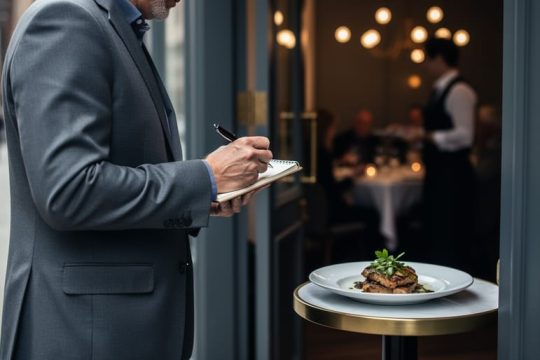
Food integrity in criticism means one thing above all: the reviewer has nothing to gain from praising your meal and nothing to lose from telling the truth. When a food critic walks into a restaurant anonymously, pays their own bill, and publishes an assessment free from advertising pressure or personal relationships with ownership, that’s integrity at work. It’s the foundation that separates genuine food critic methodology from promotional content disguised as honest opinion.
The challenge? Most readers can’t tell the difference at first glance. A glowing review might reflect an extraordinary dining experience or a carefully orchestrated exchange of praise for perks. A harsh critique could stem from legitimate quality issues or a critic’s bad day and personal vendetta. The stakes matter because your dining decisions, your money, and your limited evenings out deserve better than compromised recommendations.
Understanding how ethical food criticism actually functions gives you power. You’ll recognize the methodology markers that signal trustworthy sources: anonymous visits, multiple experiences before publication, transparent relationships with establishments, and willingness to critique beloved institutions when standards slip. You’ll spot the red flags too, from suspiciously uniform praise across competing restaurants to reviews that read more like press releases than critical assessment.
This isn’t about cynicism. Great food deserves celebration, and talented chefs merit recognition. But that celebration rings hollow when integrity is missing from the equation. The difference between a review you can trust and one serving hidden agendas often comes down to understanding what happens before a single word gets published.
What Food Integrity Really Means in Criticism
In food criticism, integrity isn’t some abstract ideal, it’s the concrete foundation that separates valuable guidance from noise. At its core, integrity means transparency about every relationship that could influence a review. A critic with integrity discloses when they’ve attended a press event, received a comp meal, or have any personal connection to a restaurant, no matter how minor. This transparency doesn’t necessarily invalidate the review, but it gives you the context to weigh it properly.
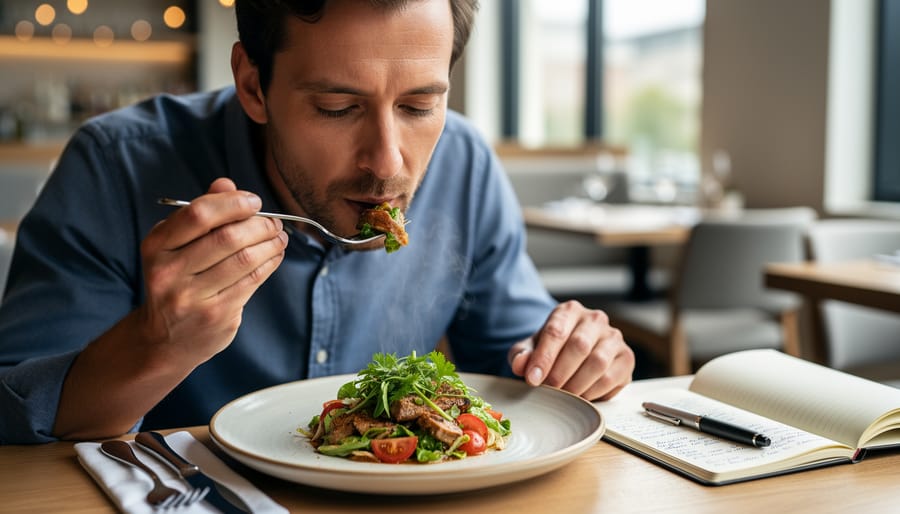
Honest reporting forms the second pillar. Critics with integrity document experiences as they unfold, the disappointments alongside the triumphs. If the risotto arrived lukewarm or the service felt rushed, that makes it into the review. This doesn’t mean nitpicking every flaw, but it does mean refusing to gloss over genuine issues just because a chef is charming or a restaurant is trendy. The best critics understand that constructive criticism serves both diners and the industry better than empty praise.
Consistency in evaluation standards ensures fairness across reviews. A critic can’t rave about mediocre pasta at an upscale spot while dismissing similar quality at a neighborhood joint. Integrity demands applying the same criteria, whether assessing technique, flavour, value, or ambiance, regardless of a restaurant’s profile or the critic’s personal preferences.
Finally, accountability ties everything together. Critics with integrity see themselves as accountable to you, the reader, not to restaurant owners or public relations firms. When readers challenge a review or point out an error, ethical critics respond thoughtfully rather than defensively. This accountability extends to publications too: the structural safeguards matter. Editorial independence, fact-checking processes, and clear policies about compensation all signal that a platform values integrity over access or advertising revenue.
The Critics’ Code: How Honest Evaluations Happen
The Anonymous Visit Advantage

Walking into a restaurant as just another diner changes everything. When staff don’t know they’re serving a critic, you get the real experience, the one regular customers will have on a Tuesday night, not the polished performance reserved for VIPs. The server who’s slammed doesn’t suddenly find extra time. The kitchen doesn’t plate with museum-level precision. You see the restaurant as it actually operates.
That’s why anonymity sits at the heart of how critics review restaurants fairly. But maintaining it gets tricky. In smaller communities or after years on the beat, critics get recognized. Some work around this by sending different team members, varying reservation names, or timing visits during busy periods when individual diners blur together. Others acknowledge that perfect anonymity isn’t always possible and compensate by making multiple visits at different times.
The contrast tells you everything. When a kitchen knows a critic is present, dishes arrive faster, garnishes multiply, and managers materialize tableside. That special treatment, while flattering, undermines the critics’ process because your experience won’t include the executive chef personally ensuring your steak’s temperature.
Multiple Touchpoints, Consistent Standards
A single meal can deceive. The chef might be experimenting with a new technique that night, a key ingredient could arrive wilted, or the usual sous chef might be out sick. That stellar appetizer you loved? It might not appear on the menu next week. This is why serious critics never base conclusions on one experience.
Patterns tell the real story. When a critic visits a restaurant three or four times across different days and service periods, consistency emerges. If the pasta is perfectly al dente every Tuesday lunch and Thursday dinner, that signals kitchen discipline. If the service fluctuates wildly between visits, that’s equally revealing. Multiple touchpoints filter out the noise of a single off night or one exceptional performance, revealing what diners can actually expect when they book a table.
Consistent evaluation criteria matter just as much as repeat visits. A reliable critic applies the same standards whether reviewing a neighborhood bistro or a Michelin-starred establishment, adjusting expectations to price point and ambition but never the fundamental questions: Does the food deliver on its promise? Is the service professional and hospitable? Does the ambiance support the dining experience? Is the value reasonable for what you receive?
This combination creates fairness. The chef gets multiple chances to demonstrate their capability. The reader gets an accurate picture based on observable patterns rather than the luck of one particular evening. Strip away the anomalies, and what remains is truth worth trusting.
When Integrity Gets Compromised: Red Flags to Watch
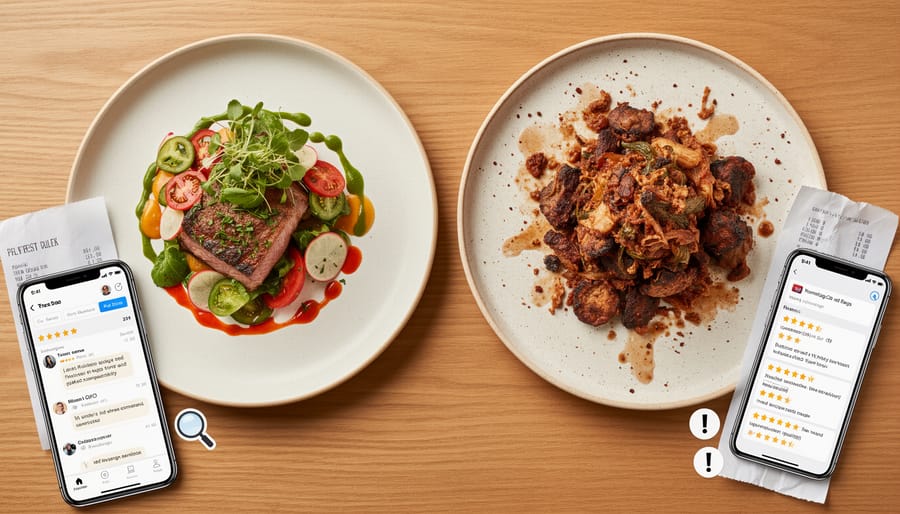
Not every dining recommendation comes from an honest place. Learning to spot compromised reviews protects you from wasted meals and misleading hype.
Undisclosed relationships are the biggest red flag. When a critic gushes about a restaurant without mentioning they attended a press event, received complimentary dishes, or have personal connections to the chef, you’re getting advertising disguised as analysis. Legitimate critics disclose these relationships upfront, even when they maintain editorial independence. No disclosure? Assume there’s something to hide.
Watch the language itself. Reviews that read like marketing copy, all superlatives, zero critique, aren’t genuine assessments. Real dining experiences include imperfections: slow service, an oversalted sauce, a dessert that didn’t land. When everything is “amazing,” “incredible,” or “a must-visit,” you’re reading promotion, not evaluation. Honest critics balance praise with constructive observations because no restaurant executes perfectly every time.
Inconsistent standards reveal bias too. A critic who overlooks flaws at trendy spots while nitpicking neighborhood gems isn’t applying the same measuring stick. Pay attention to whether they hold all restaurants, whether humble or high-end, to appropriate standards for their category and price point.
Timing matters. Reviews published during opening week, based on a single visit, capture a restaurant at its most chaotic and least representative. Opening nights often feature special menus, extra staff, and kinks not yet worked out. Critics with integrity return multiple times over weeks to see patterns, not just opening-night spectacle.
Lack of detail signals surface-level experience. Vague descriptions suggest the critic didn’t actually engage deeply with the food. Specific observations, the texture of pasta, the balance of a sauce, the temperature of a steak, indicate someone who paid attention and ate critically, not someone who showed up for photos and left.
Trust platforms that explain their methodology, disclose their practices, and demonstrate consistency. Your dining decisions deserve better than hidden agendas and manufactured enthusiasm.
The Influence Economy: Navigating Partnerships Without Losing Credibility
The Disclosure Standard
Transparency isn’t optional in ethical food criticism, it’s the baseline. When a critic accepts a complimentary meal, attends a press dinner, or has any financial arrangement with a restaurant or PR firm, disclosing that relationship upfront protects everyone involved. It doesn’t automatically invalidate the review. Instead, it gives you the information needed to weigh the opinion appropriately.
A disclosed partnership can still produce valuable insights. If a critic clearly states they attended a chef’s tasting menu as a guest but maintains their honest assessment of execution, service lapses, and whether the experience justifies the price for paying customers, that transparency builds trust. The problem arises when these relationships remain hidden, creating the illusion of independence that doesn’t exist.
Look for clear, upfront disclosure statements, not buried fine print. Phrases like “This meal was provided by the restaurant” or “I attended this event as a media guest” signal a critic respects your intelligence. When publications obscure these details or fail to mention them entirely, that’s when you should question the integrity behind the review. Transparency separates journalism from marketing.
Exclusive Access Without Strings Attached
Critics often get invited to preview tastings, soft openings, and intimate chef conversations, and accepting these invitations doesn’t automatically compromise integrity. The difference lies in what comes with the access.
Legitimate publications make their editorial independence clear from the start. When Tapas 24 critics attend a chef’s tasting menu preview or tour a kitchen before opening night, they’re gathering context and story material, not signing up to write puff pieces. The restaurant knows that early access means they might get coverage, not guaranteed praise. If the food disappoints or the concept falls flat, the eventual review reflects that reality.
The red line is simple: access becomes problematic when it’s transactional. If a restaurant explicitly or implicitly expects favorable coverage in exchange for the invitation, that’s not journalism, it’s advertising dressed up as editorial content. Ethical critics walk away from those strings-attached situations, or they attend but disclose the arrangement and maintain honest assessment.
Readers benefit when critics have these insider glimpses. Behind-the-scenes access enriches storytelling, provides chef perspectives, and offers context that makes reviews more informative. The key is that access informs the narrative without dictating the verdict.
Building Your Own Integrity Filter as a Diner
You don’t need to be a professional critic to spot the difference between a trustworthy review and a puff piece. Building your own integrity filter starts with skepticism, not cynicism, but healthy questioning of what you read and who’s writing it.
Here’s how to become a more discerning consumer of food criticism:
- Read multiple sources before committing to a reservation. One glowing review means nothing if three others mention the same service issues or inconsistent execution.
- Look for balanced critiques that include both strengths and weaknesses. Real dining experiences are never perfect, and honest critics acknowledge what didn’t work alongside what did.
- Check for disclosure policies, especially when reviews mention press events, comp meals, or partnerships. Transparency doesn’t automatically mean bias, it gives you context to judge credibility yourself.
- Verify the critic’s experience and track record. Do they write exclusively about openings and hype, or do they cover neighborhood spots and established restaurants with equal rigor?
- Trust platforms with established editorial standards that clearly separate advertising from content and maintain consistent evaluation criteria.
- Consider community consensus across review platforms, but weigh professional criticism more heavily than anonymous aggregates vulnerable to manipulation.
Apply the same scrutiny whether you’re researching a special-occasion dinner or searching for reliable late-night delivery options. The principles don’t change based on price point or formality.
When a review strikes you as overly promotional, no critique, just superlatives, ask yourself what the writer gains from steering you there. If you can’t find the answer, that’s your integrity filter working. Trust it.
Why Tapas 24 Prioritizes Unbiased Reviews
At Tapas 24, we built our reputation on a straightforward principle: you deserve to know what a restaurant is really like before you walk through the door. That means no hidden agendas, no favors to friends of friends, and no sugar-coating mediocre meals.
Our team of trained critics follows a strict methodology on every visit. We pay for our meals, always. There are no comp dinners, no VIP treatment, no “just try this and write something nice.” When our critics evaluate a restaurant, they assess four core dimensions: taste (is the food actually good?), ambiance (does the space enhance or detract from the experience?), service (are you treated well and efficiently?), and value (is what you’re paying justified by what you receive?). These criteria stay consistent whether we’re reviewing a Michelin-starred tasting menu or a neighborhood spot open now for late-night bites.
Editorial independence isn’t just a policy, it’s our backbone. Restaurant owners don’t get advance notice of reviews, can’t pull advertising to influence coverage, and receive the same honest assessment as everyone else. When we attend industry events or tastings, that access serves storytelling and context, never favorable write-ups.
This rigor exists for one reason: to help you make confident dining decisions. Honest reviews cut through the noise, save you from disappointing meals, and point you toward experiences worth your time and money.
Common Questions About Food Criticism and Integrity
Readers often wonder about the mechanics and ethics behind food criticism, so here are the questions we hear most.
Do food critics always pay for their meals?
Reputable critics and platforms pay for meals to maintain independence. If a meal is comped for a press event or tasting, ethical critics disclose it clearly and typically don’t publish full reviews based solely on that experience.
What happens when a restaurant recognizes the critic?
Recognition can alter service and presentation, which is why many critics visit multiple times. If recognized, honest critics note it internally and return anonymously when possible to capture the standard guest experience.
How can I tell if a review is trustworthy?
Look for balanced critiques that include both strengths and weaknesses, clear disclosure of any relationships or comped meals, consistent evaluation standards, and evidence of multiple visits or thorough research.
What should I do if I disagree with a review?
Your experience is valid even if it differs from a critic’s. Check the review date since restaurants evolve, compare multiple sources, and consider whether your expectations or preferences simply differ from the critic’s established standards.
These questions reveal a healthy skepticism, readers who ask how the process works are exactly the audience that benefits most from transparent criticism. When you understand the methodology behind reviews, you can weigh them appropriately alongside your own preferences and experiences.
The gap between a critic’s assessment and your own isn’t always about who’s right. Different palates, different visits, different expectations all play a role. What matters is that the critic applied consistent standards and reported honestly. You’re not looking for someone who always agrees with you, you’re looking for someone whose judgment you can calibrate against your own tastes over time.
Food criticism without integrity is just marketing in disguise. As Toronto’s dining scene continues to evolve in 2026, the relationship between honest evaluation and meaningful culinary experiences has never been clearer. When critics commit to transparency, when publications refuse to compromise editorial standards for access, and when readers demand accountability from their sources, everyone benefits.
The restaurants that truly deserve your attention welcome honest assessment. They know that constructive criticism helps them improve, while genuine praise carries weight when it comes from unbiased sources. Meanwhile, establishments that only survive through paid promotion and uncritical coverage reveal themselves through the very tactics they employ.
Your role as a diner extends beyond making reservations. By choosing trusted sources, questioning suspiciously glowing reviews, and supporting platforms that prioritize independence, you’re voting for a food media landscape built on truth rather than transactions. Every time you seek out critics who pay their own way and disclose their relationships, you’re reinforcing that integrity matters.
The result? Better restaurants, more reliable guidance, and dining experiences you can trust. That’s the real value of food criticism done right.

0 comments on “Food and Integrity: Why Honest Reviews Matter More Than Ever in 2026”