
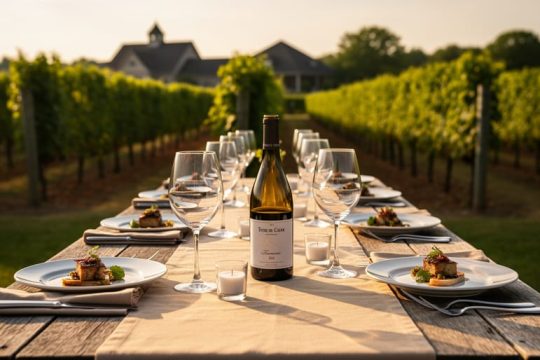
7 Best Toronto Wineries for Wine and Dine Experiences, Ranked
Toronto’s wine country scene delivers far more than tasting rooms. The best wineries near the city have evolved into full-fledged culinary destinations where estate-grown wines meet chef-driven menus, rolling vineyard views, and experiences designed to linger in your memory long after the last pour.
Within an hour’s drive of downtown, you’ll find everything from intimate urban tasting bars to sprawling estates with grounds that rival anything you’d encounter in Napa or Niagara. These venues understand that today’s wine lover wants the complete package: impeccable pairings, knowledgeable sommeliers who actually enjoy teaching, and spaces that make you want to extend your reservation by another hour.
We’ve tasted our way through the region to bring you seven standout wineries, each excelling in a specific dimension. Whether you’re planning a milestone celebration that demands elegance and polish, seeking exceptional value without sacrificing quality, or simply want convenient access to serious wine education without leaving the city limits, this guide matches you with the venue that fits your exact need. Some shine for their farm-to-table commitment, others for rare small-batch varietals you won’t find anywhere else. Each deserves a spot on your wine-and-dine calendar for 2026.
How We Chose Toronto’s Top Wineries
We didn’t rely on marketing claims or sponsored placements to build this list. Instead, we applied the same honest reviews approach and food critic methodology that guides all our coverage, visiting each location to evaluate the complete wine-and-dine experience firsthand.
Every winery on this list was assessed against specific benchmarks:
- Wine quality and variety, particularly how well their portfolio showcases regional character
- Food pairing options and culinary execution, from light bites to full tasting menus
- Atmosphere and setting, including vineyard views, tasting room design, and overall ambiance
- Accessibility from downtown Toronto, considering drive time and ease of visit
- Tasting experience depth, from casual samplings to educational guided sessions
- Value proposition across different price points and visit lengths
We prioritized venues that treat food as integral to the experience rather than an afterthought. A winery earned its spot here not just for producing excellent bottles, but for creating moments where wine and cuisine amplify each other. The rankings reflect which locations best deliver on that combined promise, balancing quality, accessibility, and the kind of memorable experience worth the trip.
1. Best for Full Farm-to-Table Experience
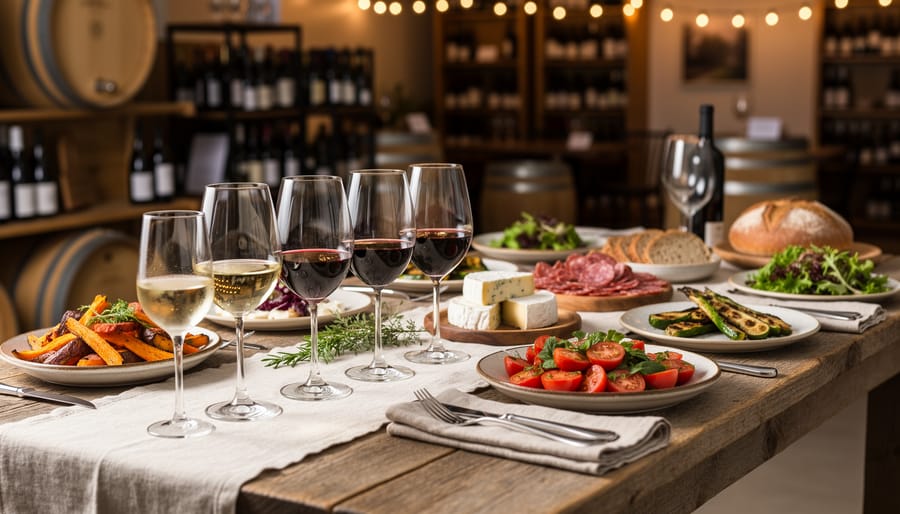
Rosehall Run anchors our top spot because it delivers what so many wineries promise but few execute: a complete sensory journey where the vineyard, kitchen, and winemaking philosophy converge into something genuinely memorable. Located in Prince Edward County about 90 minutes from Toronto, this estate feels worlds away from the city the moment you turn onto the tree-lined drive.
The setting alone is worth the trip. Rolling vines stretch toward Lake Ontario, framed by century-old barns converted into tasting spaces that blend rustic charm with understated elegance. The tasting room’s floor-to-ceiling windows flood the space with natural light, while exposed beams and reclaimed wood create warmth without feeling contrived.
What sets Rosehall Run apart is the genuine farm-to-table integration. The kitchen sources ingredients from the estate’s gardens and nearby County farms, crafting dishes that complement rather than compete with the wines. Their Chardonnay, elegant with balanced oak and bright acidity, pairs beautifully with local trout finished with herb butter. The estate’s Pinot Noir showcases the region’s cool-climate strengths with earthy notes and red fruit that cut through rich, slow-braised pork shoulder.
The tasting experience feels intentional without being stuffy. Staff guide you through the wine list with genuine enthusiasm, explaining what makes each vintage distinctive while reading the room to match their approach to your interest level. Conversations flow naturally between tables, creating the easy conviviality that defines exceptional hospitality.
You leave understanding why wine and food belong together. It’s not about ticking off a tasting list, it’s about experiencing a place where every element, from soil to glass to plate, tells a cohesive story.
2. Top Urban Winery for Convenience
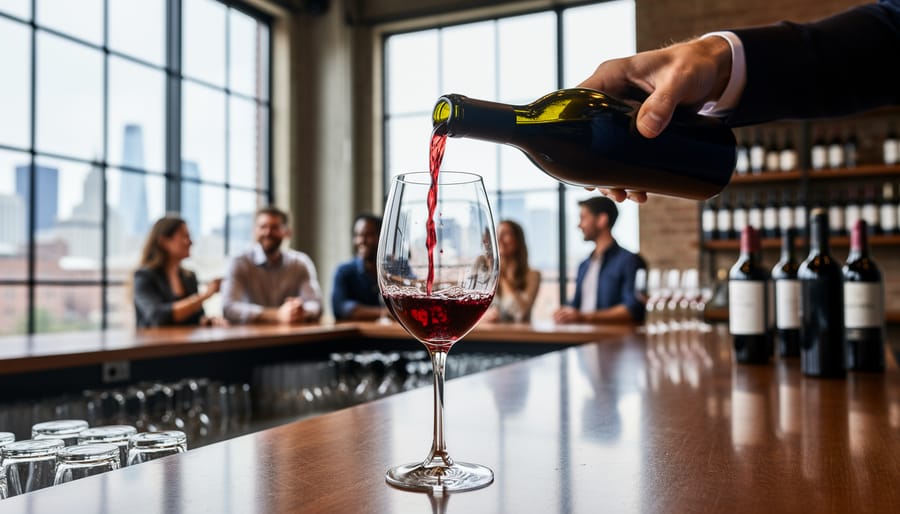
Rosewood Estate Winery brings vineyard culture right into Toronto’s core, eliminating the need for a countryside expedition while delivering an authentic wine-making experience. Located in a converted industrial space, this urban winery proves that exceptional wine doesn’t require rolling hills, just passionate winemakers and quality fruit sourced from Ontario’s finest growing regions.
The tasting room balances raw brick and exposed beams with warm lighting and comfortable seating, creating an intimate atmosphere that feels worlds away from the city bustle just outside. You’ll taste wines that surprise with their complexity: a crisp Riesling with honeyed undertones and bright acidity, a structured Cabernet Franc showing dark cherry and earthy notes, and a vibrant rosé that captures summer in a glass. The winemakers often work in view of the tasting area, offering a transparent look at barrel aging and bottling processes rarely accessible at traditional estates.
The dining component leans toward elevated small plates designed for sharing, think charcuterie with house-pickled vegetables, artisanal cheese selections with local honeycomb, and seasonal flatbreads that complement rather than compete with the wines. Staff guide pairings with genuine enthusiasm, explaining why a particular cheese amplifies certain fruit notes or how acidity cuts through richness.
For downtown dwellers or visitors without transportation, Rosewood eliminates every barrier between curiosity and experience. You can stop in after work, bring guests from out of town without coordinating rides, or simply satisfy a spontaneous craving for good wine and conversation. The convenience never compromises quality, it just makes excellence accessible.
3. Best for Special Occasions
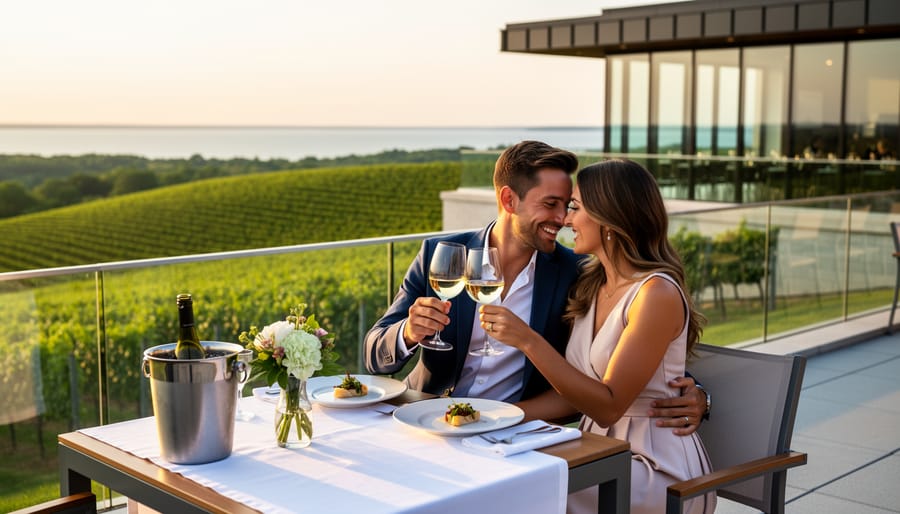
When the moment calls for something beyond ordinary, Stratus Vineyards delivers an experience worthy of celebration. Nestled in Niagara-on-the-Lake, this architectural masterpiece pairs award-winning wines with a refined atmosphere that transforms a simple tasting into an event.
The modern, light-filled tasting room sets the tone immediately. Floor-to-ceiling windows frame vineyard views while the minimalist design, think clean lines, polished concrete, natural wood, creates an upscale yet welcoming space. It’s sophisticated without feeling stuffy, the kind of setting where you want to linger over each pour.
Stratus built its reputation on Bordeaux-style blends and elegant Chardonnays, wines that consistently impress even discerning palates. The flagship red blend shows layers of dark fruit, tobacco, and subtle spice that evolve beautifully in the glass. Their whites balance richness with crisp acidity, ideal for toasting milestones or simply savoring a Saturday afternoon with someone special.
What elevates Stratus for celebrations is the thoughtful food program. Seasonal tasting menus designed specifically to complement their wines feature local ingredients prepared with precision. Think seared duck breast with cherry reduction alongside their Cabernet Franc, or Ontario trout with herb-kissed vegetables paired with Chardonnay. Each course feels intentional, designed to highlight both the wine and the ingredient.
The pacing matters here too. Staff give you room to relax into the experience rather than rushing through flights. For anniversaries, proposals, or marking career achievements, Stratus offers the polished experience those moments deserve, memorable not because it tries too hard, but because every detail supports the wine and the company you’re keeping.
4. Best Value Experience
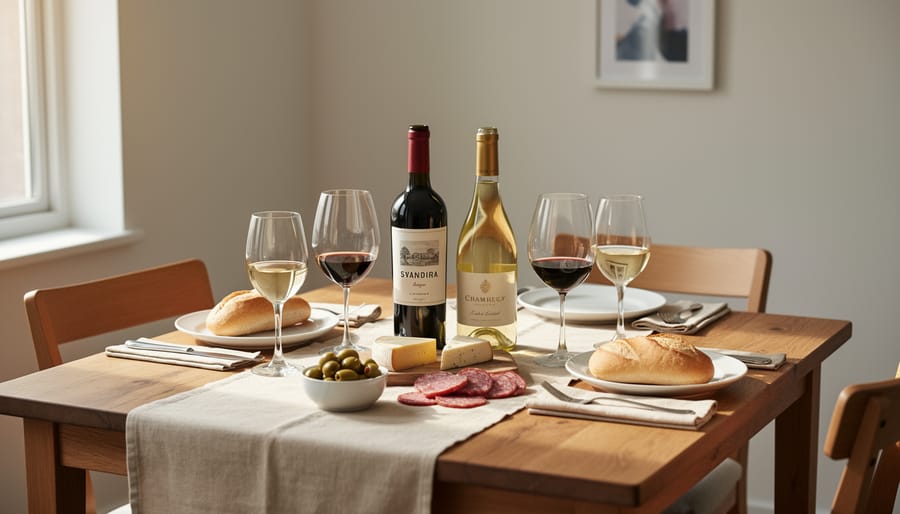
Southbrook Vineyards stands out as the best value experience among Toronto-area wineries, delivering exceptional quality without the premium price tag. Located in Niagara-on-the-Lake, this certified organic and biodynamic estate offers approachable tastings that feel neither rushed nor pretentious, perfect for those new to wine country or anyone seeking a relaxed afternoon without breaking the bank.
The tasting room radiates warmth rather than formality. Reclaimed wood beams, natural light streaming through large windows, and friendly staff who genuinely enjoy sharing wine stories create an environment where questions are welcomed, not merely tolerated. You’ll taste through a flight of their estate wines, including their crisp Vidal and smooth Cabernet Franc, with guides who explain what you’re experiencing without the sommelier-speak that can intimidate first-timers.
What sets Southbrook apart for value is the complete experience you receive. Tasting fees are reasonable, and the portions are generous enough to actually appreciate each wine. The casual dining options, artisan cheese plates, charcuterie boards, and seasonal small bites, complement the wines beautifully without requiring a three-course commitment. Everything feels intentional yet unpretentious.
The grounds themselves add value beyond the glass. You can stroll through the vineyards, see the biodynamic farming practices in action, and settle onto the patio with a bottle and snacks for as long as you’d like. There’s no pressure to hurry, no sense that you should be spending more. For couples or groups wanting their first winery experience or a casual Saturday escape, Southbrook delivers quality, education, and atmosphere at a price point that encourages return visits.
5. Best for Wine Education
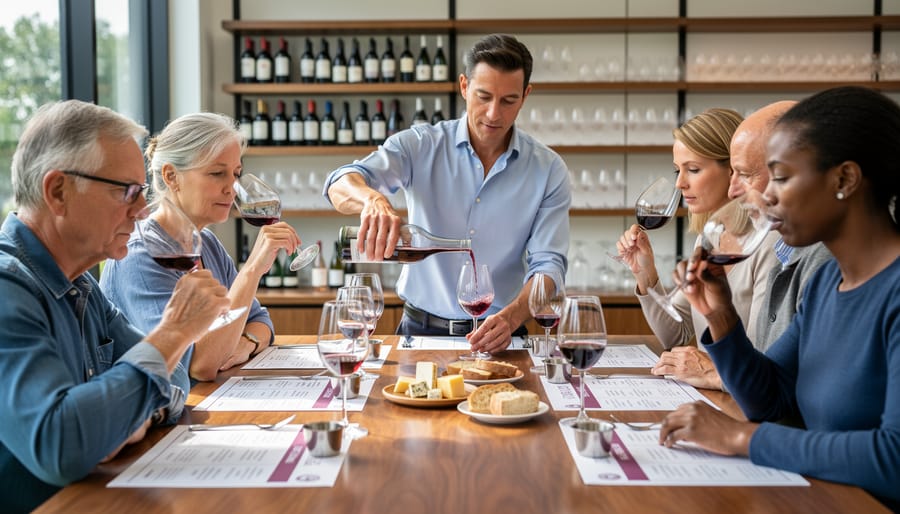
Southbrook Vineyards transforms a simple tasting into a masterclass on organic and biodynamic winemaking. Located in Niagara-on-the-Lake, this certified organic estate invites you behind the curtain with comprehensive tours that explain the philosophy behind every bottle. You’ll walk through vineyards managed according to lunar cycles, visit gravity-flow cellars, and discover why they bury cow horns filled with compost to enhance soil vitality.
The staff here doesn’t just pour wine, they tell stories. Guides explain how wild fermentation creates complexity in their Triomphe Cabernet Franc, or why aging in concrete eggs rather than oak produces cleaner fruit expression in their whites. They encourage questions and adjust their depth of detail based on your existing knowledge, making novices comfortable while satisfying experienced tasters seeking technical insights.
The tasting room experience balances education with pleasure. Small pours allow you to compare conventionally-farmed versus organic examples side by side, revealing how vineyard practices influence flavor profiles. Thoughtfully paired cheeses and charcuterie aren’t mere accompaniments, staff explain how specific pairings illustrate concepts like tannin structure or acidity balance, turning each bite into a lesson.
What sets Southbrook apart is the connection between what you learn and what you taste. After understanding their whole-cluster fermentation process, you’ll recognize the subtle stem spice in their Pinot Noir. The experience equips you with vocabulary and confidence to approach wine more critically, whether you’re at other wineries or selecting bottles at home.
6. Best Estate Grounds and Views
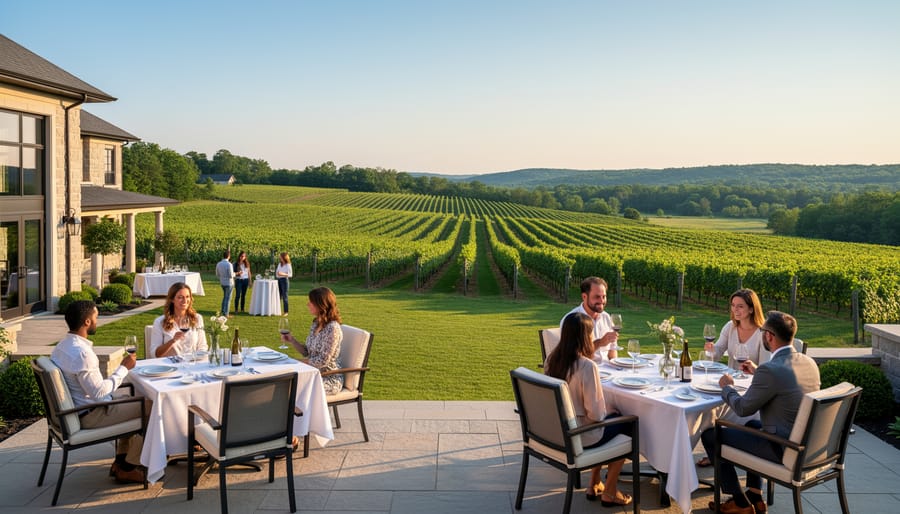
Southbrook Vineyards stands apart for its stunning estate grounds that transform wine tasting into a full sensory journey. Rolling vineyard rows stretch across certified organic and biodynamic farmland, creating a pastoral backdrop that feels worlds away from the city despite being just an hour’s drive. The expansive outdoor terrace overlooks these vines, offering one of the most photogenic settings in Ontario wine country.
What makes Southbrook exceptional is how the location enhances every element of the visit. During warmer months, you can settle into Adirondack chairs scattered throughout the property, glass in hand, watching sunlight shift across the vineyard canopy. The estate’s commitment to biodynamic farming means the grounds themselves become part of the story, you’re tasting wine produced from the very vines surrounding you, with farming practices you can observe firsthand.
The winery pairs this visual beauty with serious wine credentials. Their Triomphe Cabernet Franc shows concentrated dark fruit balanced by earthy complexity, while the skin-contact orange wine pushes boundaries with its textural grip and apricot-tea notes. These aren’t wines made for show; they’re crafted to reflect the land you’re standing on.
The seasonal shift here matters more than at urban venues. Spring brings bright green shoots and crisp whites perfect for the awakening landscape. Autumn visits coincide with harvest energy and wines showing their full maturity. The on-site restaurant uses estate-grown produce when possible, creating a genuine farm-to-glass experience that extends beyond typical tasting room membership benefits or convenient late-night delivery with pay at door options you’d find elsewhere. This is wine country at its most immersive.
7. Best for Small-Batch and Unique Varietals
Rosehall Run distinguishes itself through an unwavering commitment to cool-climate varietals that most Ontario wineries overlook. Their focus on experimental blocks and micro-lot productions means you’ll encounter wines you simply won’t find anywhere else in the province. The tasting room feels more like a winemaker’s laboratory than a commercial operation, with passionate staff walking you through the nuances of rare grapes like Gamay Noir, Cabernet Franc, and their distinctive field blends.
What makes Rosehall Run exceptional for adventurous palates is the willingness to bottle wines that challenge conventional expectations. Their single-vineyard releases showcase terroir-driven expression over mass appeal, resulting in wines with pronounced minerality, unexpected aromatics, and food-friendly acidity. The tasting format encourages exploration rather than rushing through a standard flight. You’ll spend time discussing fermentation techniques, harvest decisions, and the philosophy behind each bottling.
The food program mirrors this artisanal ethos. Rather than elaborate multi-course meals, you’ll find carefully curated charcuterie and local cheeses selected to highlight specific wine characteristics. A sharp aged cheddar alongside their Pinot Noir reveals layers of earthiness; house-made pâté brings out the savory notes in their skin-contact whites. The pairings feel intentional without being precious.
This winery attracts wine enthusiasts who genuinely want to expand their understanding beyond mainstream varietals. The intimate setting and small production runs create a sense of discovery. You’re not just tasting wine; you’re participating in an ongoing conversation about what Ontario wine can become when winemakers prioritize innovation over convention.
Making the Most of Your Winery Visit
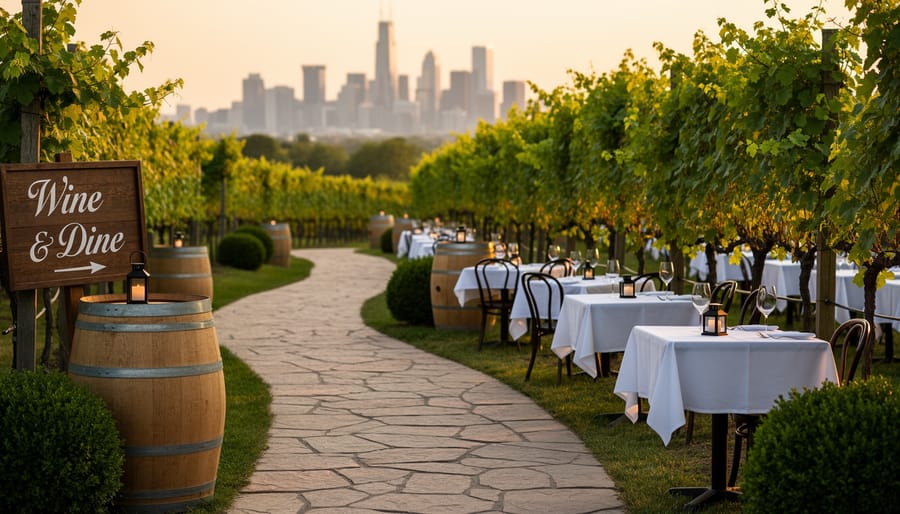
Booking ahead transforms a good winery visit into a great one. Most Toronto-area wineries require reservations for tastings, especially on weekends and during harvest season. When you call or email, ask about the format, some wineries offer structured flights with food pairings, while others let you order tastings à la carte. If you’re planning a special occasion or want extended time with a sommelier, mention it upfront. Many wineries can customize experiences but need advance notice.
When you arrive, pace yourself. Start with lighter wines and progress to bolder reds, and don’t feel obligated to finish every pour if you’re tasting multiple flights. Take notes on your phone about wines you love, you’ll thank yourself later when you can’t remember which Riesling made you swoon. Pair thoughtfully: if the winery offers charcuterie or small plates, order strategically to cleanse your palate between tastings rather than filling up immediately.
A few etiquette essentials make everyone’s experience better. Avoid heavy perfume or cologne that can interfere with wine aromas. If you’re bringing kids to family-friendly estates, ensure they’re occupied and respectful of other tasters. And while enthusiasm is encouraged, save the party atmosphere for after the tasting when you’re enjoying dinner. The goal is to appreciate both the wine and the setting, treat the experience with the same reverence you’d bring to a memorable meal, and you’ll discover nuances you’d otherwise miss.
Common Questions About Toronto Area Wineries
Most visitors to Toronto-area wineries share similar practical concerns before planning their trip. Here are answers to the questions that come up most often.
Do I need to book tastings in advance?
Yes, most wineries require advance reservations, especially for weekend visits and during peak seasons. Booking ahead ensures availability and allows the winery to prepare personalized experiences, particularly if you’re interested in food pairings or private tours.
How long should I plan for a typical winery visit?
Plan for two to three hours to fully enjoy the tasting and dining experience. This gives you time to savor the wines, appreciate the food pairings, and explore the grounds without feeling rushed.
Is food always available at wineries?
Not all wineries offer full dining experiences. Some provide complete menus with multi-course pairings, while others offer charcuterie boards or light snacks. Always check what’s included when booking, especially if you’re planning a meal-centered visit.
What’s the best way to get to wineries outside Toronto?
Hiring a driver or joining an organized wine tour is the safest option, as you’ll be tasting wine throughout the day. Rideshare services work for closer urban wineries, but rural estates often require prearranged transportation.
For group visits of six or more, call the winery directly rather than booking online. They can often create customized experiences and may offer semi-private spaces for your party. Groups also benefit from discussing transportation options together, whether that means splitting the cost of a chartered vehicle or coordinating designated drivers.
Toronto’s winery scene represents more than just wine tasting, it’s a celebration of thoughtful cuisine, artisanal craftsmanship, and immersive sensory experiences that rival any restaurant reservation. These seven wineries prove you don’t need to travel to Napa or Bordeaux to discover world-class pairings of local terroir and inspired cooking. Each venue brings something distinct to the table, whether you’re seeking romance, education, value, or pure indulgence.
Step beyond your usual dining routine and book a tasting. The combination of vineyard air, carefully selected varietals, and dishes designed specifically to complement the wines creates memories that linger long after the last sip. Your next unforgettable culinary adventure is waiting in a tasting room closer than you think.

0 comments on “7 Best Toronto Wineries for Wine and Dine Experiences, Ranked”