
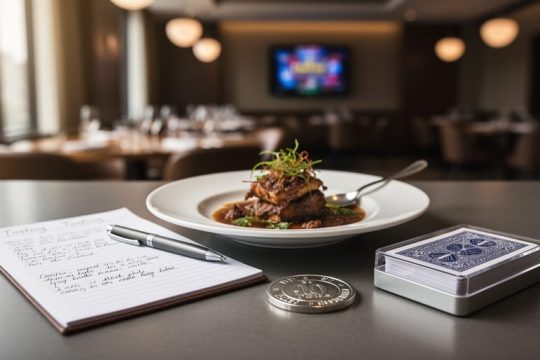
How Culinary Guides and Responsible Online Casino Play Share the Same DNA
The same discipline that guides a seasoned food critic through Toronto’s dining scene applies directly to responsible online gaming: budget allocation, research before commitment, value assessment, and knowing when to walk away. Just as you wouldn’t blow your monthly restaurant budget on a single tasting menu at an unvetted establishment, platforms like Moonbet and similar online casinos require the same strategic approach you’d bring to planning a culinary adventure.
The parallel runs deeper than surface-level budgeting. Consider how you evaluate a new restaurant: you read reviews, check credentials, assess the investment against potential satisfaction, and set clear expectations before making a reservation. You don’t chase losses by ordering more courses when the meal disappoints, nor do you linger past the point of enjoyment simply because you’ve already invested time and money.
These aren’t abstract concepts. They’re practical frameworks that food enthusiasts already apply daily, whether deciding between a $200 omakase experience or a $30 neighborhood gem. The research phase, the value calculation, the emotional regulation when a meal falls short, the discipline to stop when satisfied rather than overindulge are all transferable skills.
Online gaming operates on identical principles. Set your entertainment budget as you would for dining out. Research operators as thoroughly as you’d investigate a chef’s background. Recognize when you’re chasing diminishing returns. The difference? Casino platforms offer real-time data and self-limitation tools that most restaurants would never provide, giving you more control over the experience than you’d have at any tasting counter.
The Art of Research: From Restaurant Reviews to Casino Choices
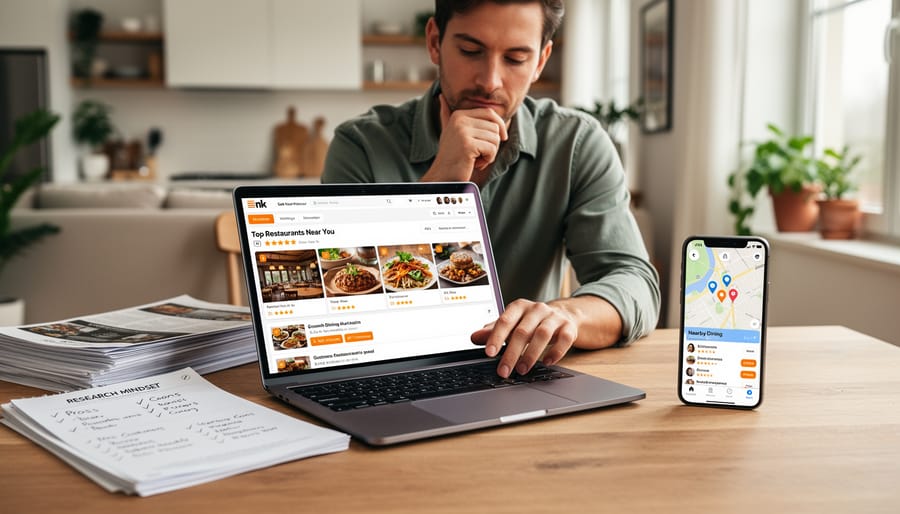
Before you book that highly-anticipated tasting menu, you probably spend time cross-referencing reviews, checking the chef’s credentials, and confirming the restaurant isn’t operating out of someone’s garage with a fake liquor license. Food lovers excel at this pre-visit research, it’s second nature. That same investigative instinct protects you when exploring online casino platforms.
When evaluating a new restaurant, you instinctively triangulate information sources. You don’t just trust a single glowing review or the establishment’s own Instagram feed. You consult honest reviews from critics you respect, scan recent customer feedback for recurring complaints, verify health inspection records, and confirm the chef’s background isn’t fabricated. This multi-source verification matters just as much when selecting where to play online.
Legitimate casino platforms display clear licensing information from recognized regulatory bodies, think of these as the equivalent of health department certifications posted in restaurant windows. The Malta Gaming Authority, UK Gambling Commission, and similar oversight bodies function like food safety regulators, ensuring operators meet strict standards. If licensing details are buried, vague, or absent entirely, that’s your cue to walk away, just as you would from a restaurant with mysterious ownership and no visible permits.
Red flags appear similar across both worlds. Restaurants with exclusively five-star reviews that read like marketing copy should raise eyebrows. The same skepticism applies to casino platforms with suspiciously perfect ratings and no critical feedback. Genuine establishments accumulate a mix of responses, thoughtful praise, constructive criticism, and occasional complaints that get addressed professionally.
Expert guidance proves invaluable in both arenas. You wouldn’t book an anniversary dinner based solely on paid advertising, and the same principle applies to entertainment platforms. Seek out independent reviewers who maintain editorial standards, disclose relationships with operators, and provide detailed analysis beyond surface-level impressions. Your research habits already work, they just need a new application.
Setting Your Budget: The Tasting Menu Approach to Bankroll Management
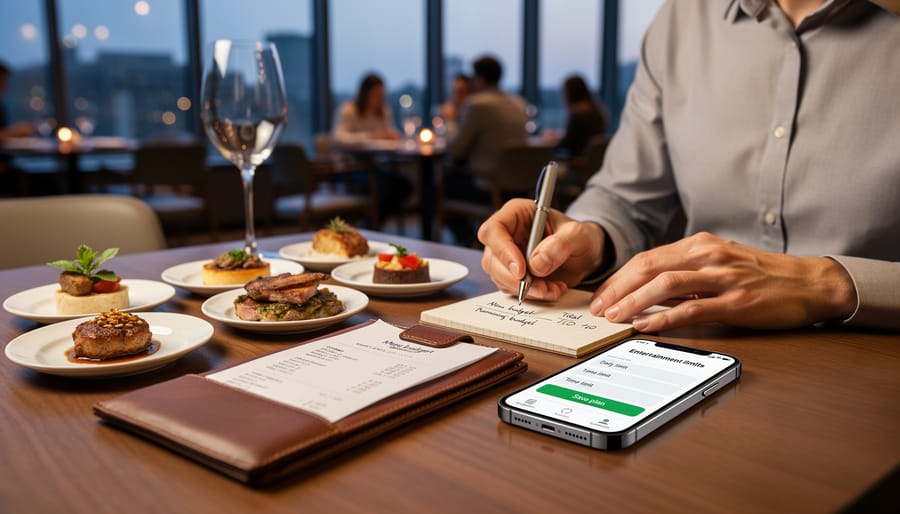
Just as you wouldn’t walk into a Michelin-starred restaurant without checking the prix fixe cost first, approaching online casino entertainment requires the same upfront financial clarity. The culinary world has already taught you this skill, you naturally calculate whether the $85 tasting menu fits your dinner budget this month, factoring in wine pairings and tip before you even book the reservation. That same pre-commitment thinking transforms how you approach any form of paid entertainment.
Consider how you plan dining expenditures. You allocate funds specifically for experiences, a special anniversary dinner, trying that new omakase spot everyone’s discussing, or your weekly neighbourhood bistro ritual. These amounts come from your discretionary budget, money you can afford to spend and genuinely enjoy spending, not rent money or savings earmarked for emergencies. The psychological framework is identical for responsible casino play: decide your entertainment budget before you begin, treat it as the cost of the experience itself, and never chase losses the way you’d never order a second expensive bottle to “make up for” an underwhelming first course.
The tasting menu model offers a particularly useful parallel. You choose the five-course option over the eight-course because you know your limits, your appetite, your time, your wallet. Apply this portion-control wisdom to session limits: decide in advance how much time and money you’ll dedicate to a single session, then respect those boundaries. If you’ve set aside $50 for an evening’s entertainment and it’s gone, the experience ends, just as the meal concludes when the final course is cleared. There’s no ordering more food after you’ve reached comfortable fullness, and there shouldn’t be reloading funds after you’ve hit your pre-set limit.
The splurge-versus-save calculation food lovers instinctively make translates directly. You might skip casual lunches all week to afford Friday’s special dinner. Similarly, responsible players budget consciously, perhaps setting aside smaller amounts regularly rather than depositing impulsively. This creates anticipation and intention, transforming the activity from reactive spending into planned enjoyment, the difference between mindlessly snacking and truly savouring a well-considered meal.
Understanding Value and House Edge: The Service Charge Parallel
When you scan a menu and see a $45 entrée, you don’t just see the price. You’re calculating whether the quality of ingredients, the chef’s skill, and the overall experience justify the cost. You factor in the 18% service charge, the expected tip, and whether that total still represents good value compared to other restaurants at that tier. This instinctive cost-benefit analysis is exactly the mindset you need when approaching online casino entertainment.
Just as restaurants build in overhead costs, rent, labor, ingredients, casinos operate with a built-in mathematical advantage called the house edge. It’s their service charge, essentially. A game with a 3% house edge means that, over time, the casino keeps three cents of every dollar wagered. Different games carry different edges, much like how fine dining commands higher markups than casual spots. Blackjack might offer a 0.5% edge with optimal play, while some slot games run 8-12%. Knowing these numbers lets you choose your entertainment the same way you’d select a restaurant: based on what you’re getting for your money.
Return-to-player (RTP) percentages are the flip side of house edge, showing what portion returns to players over millions of spins or hands. A 96% RTP means 96 cents of every dollar wagered cycles back into the game long-term. Reputable platforms display these figures transparently, similar to how quality restaurants itemize their service charges rather than hiding them in inflated menu prices.
The food critic methodology of assessing value, weighing every component of an experience against its cost, applies directly here. You’re paying for entertainment, not expecting profit. When you understand the math, you can budget accordingly and enjoy the experience without illusions, just as you would when booking that special-occasion tasting menu.
Time Management: Savoring the Experience Without Overindulgence

Every seasoned food lover knows that a truly memorable meal unfolds at its own pace. You wouldn’t rush through a tasting menu, skipping courses to get to dessert, nor would you linger at a restaurant long after the flavors have lost their appeal and fatigue has set in. This same intuitive sense of timing, knowing when to pause, when to continue, and when to call it an evening, applies perfectly to online casino sessions.
The parallel here is striking. A five-course dinner might last two hours, with natural breaks between courses that let you savor each dish, cleanse your palate, and gauge your appetite. Similarly, setting time boundaries for casino sessions creates built-in moments to step back and assess your experience. Many responsible players use the Pomodoro technique borrowed from productivity circles: 25-minute sessions followed by five-minute breaks. During these pauses, you can stretch, grab water, or simply look away from the screen, the same way you’d set down your fork between courses.
Diminishing returns affect both experiences identically. After three hours at even the finest restaurant, your palate dulls and dishes that would have delighted you earlier taste ordinary. Online casino sessions follow this same curve. The excitement peaks, plateaus, then declines, yet many players push past that natural endpoint, chasing the initial thrill rather than recognizing it’s time to leave satisfied.
Professional food critics often schedule no more than one major tasting per day, knowing their judgment suffers with sensory overload. Apply this wisdom to your entertainment choices: one or two focused sessions beat marathon stretches that blur into exhaustion. Quality of experience always trumps quantity of time spent.
Exclusive Access and VIP Programs: Knowing When Perks Become Pressure
Loyalty programs in restaurants feel like genuine appreciation until you realize you’re choosing where to eat based on points rather than genuine desire. That’s the tipping point where perks shift from bonus to obligation, and it happens identically in online casino VIP schemes.
Toronto’s dining scene has trained us to navigate these programs strategically. When you frequent spots that wine and dine with exceptional membership benefits, you understand the transaction: your patronage earns rewards, but the decision to visit should never hinge solely on accumulating points. The moment you’re ordering that extra course just to hit a tier threshold, the program has reversed the power dynamic.
Casino VIP programs operate with higher stakes, literally. They escalate quickly, offering personalized hosts, exclusive bonuses, and cashback that make walking away feel like leaving money on the table. This manufactured urgency mirrors restaurant promotions that expire at month’s end, pushing you to spend before you’ve genuinely planned to.
The red flag in both contexts is the same: when you’re making choices to satisfy the program rather than yourself. You wouldn’t force a reservation at a restaurant you’re not excited about just because you’re three visits from gold status. Apply that same logic to casino play. The perks should enhance experiences you were already planning, not manufacture new ones.
Track whether benefits actually improve your enjoyment or simply increase your frequency. If a loyalty program changes your baseline behavior rather than rewarding it, you’ve crossed from smart participation into marketing manipulation. Real value means keeping your agency intact.
Self-Assessment: Honest Reviews of Your Own Behavior
You wouldn’t post a five-star restaurant review after one mediocre dish convinced you the place deserved praise, would you? The same critical honesty you bring to evaluating dining experiences applies to examining your entertainment habits. Food critics maintain detailed notes, track spending, and honestly assess whether a restaurant merits a return visit, these same tools help you gauge whether your casino sessions remain recreational.
Start by reviewing your patterns objectively. How often do you play? Does the frequency match your original intentions, or has it crept upward without conscious decision-making? When you set a budget for an evening, do you stick to it as firmly as you would at a tasting menu where you’ve prepaid? Most importantly, does the activity enhance your leisure time or consume mental energy you’d rather spend elsewhere?
What’s the difference between enthusiasm and compulsion?
Enthusiasm means you look forward to an activity and enjoy it when it happens; compulsion means you feel anxious when you can’t engage in it or continue despite negative consequences. If skipping a session feels impossible rather than disappointing, that’s worth examining.
How do I know if I’m spending too much time gaming?
Ask whether other interests have fallen away, if you’re declining social invitations to play instead, or if you’ve lost track of time repeatedly. Healthy hobbies coexist with other activities rather than crowding them out.
Should I be concerned if I’m chasing losses?
Yes. Increasing bets or extending sessions to recover money mirrors the faulty logic of ordering more dishes at a disappointing restaurant hoping the next one redeems the experience. Both strategies compound the problem.
Consider keeping a simple log, just as you might track memorable meals. Note session length, amounts spent, and your mood before and after. This isn’t about judgment, it’s data collection. If you notice yourself justifying extended play, hiding spending from family, or feeling irritable when interrupted, these patterns deserve attention. The expertise you’ve developed evaluating ambiance, service, and value at restaurants translates perfectly to assessing whether your entertainment choices still serve you well. When a restaurant stops meeting your standards, you find better options. The same principle applies here.

0 comments on “How Culinary Guides and Responsible Online Casino Play Share the Same DNA”